
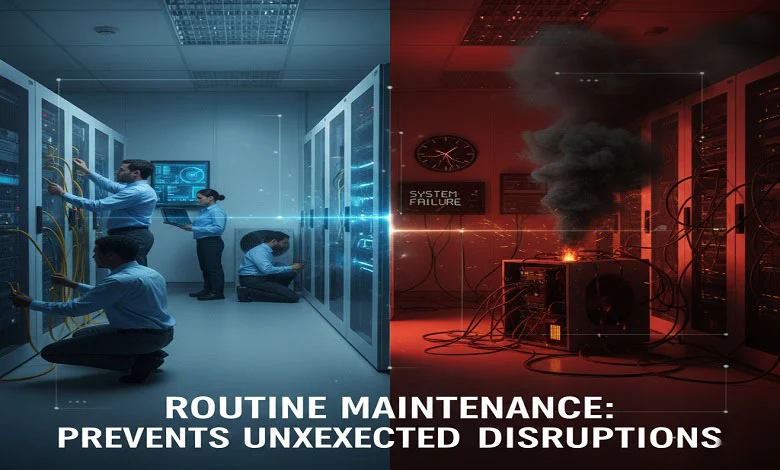
Reliability in a digital environment is never a permanent state; it requires constant, manual attention to the underlying infrastructure. Many people in leadership roles believe that once a website goes live, the hard work is done, but the software and servers behind it require constant updates to remain secure and functional. When minor errors snowball, your website starts lagging—and that’s usually when frustrated users switch to a competitor. Securing a competitive 1 year hosting price helps a business lock in its overhead, allowing the team to focus on these vital upkeep tasks without navigating potential price hikes. Keeping a close watch on server health is the only way to stay accessible during peak sales periods.
Technical uniformity often suffers when managing a broad portfolio of websites, as it becomes harder to apply the same standard to every update. Every project is different, but ignoring the big picture makes it too easy to overlook a critical update and expose your data to a breach. Multi domain hosting solves the problem of fragmented management; it consolidates disconnected websites into a single workflow. By hosting everything in one place, you can oversee the whole network without the friction of switching between multiple accounts. This setup enables you to push updates and track resource limits across your entire network at once. By maintaining the infrastructure properly, a business builds a reputation for being technically robust and reliable.
Quantifying Revenue Loss from Technical Inefficiencies
Website downtime negatively impacts revenue streams and diminishes brand authority. When a website malfunctions due to a code conflict, the impact goes beyond missed clicks; it erodes the trust you worked hard to build. People rarely give a second chance to a brand if their first visit results in a broken link or a “server not found” error. To prevent these issues, regular check-ups serveas a safeguard against technical failures, keeping the digital storefront available and functional 24/7. If a visitor cannot reach the checkout page, they will simply redirect their business to a competitor that offers a reliable experience.
Hardening Infrastructure Against Intrusions
Security threats are persistent; automated scripts continuously scan for framework vulnerabilities to exploit. An unpatched plugin or an outdated CMS version acts as an open door for malicious activity. Running regular checks helps you spot and fix security gaps before they turn into a real problem. Keeping your core files current is the best way to lock down sensitive data. It builds a solid defense that prevents the kind of security holes that are often found in neglected websites. Investing in security early is far more cost-effective than trying to salvage a hacked database and repair the damage.
Removing Performance Bottlenecks
A slow website is a major barrier to growth because modern visitors have zero patience for lag. Databases naturally get cluttered with old backups and temporary files. Over time, this buildup slows down your server and impacts performance. Periodic optimization clears this weight, allowing the server to process information and deliver pages much faster. MilesWeb provides the hardware and speed necessary to ensure these optimizations result in a highly responsive user experience. A faster website benefits both visitors and search engines by improving content indexing and visibility.
Preventing Permanent Data Loss
A server failure or a faulty update can erase a website immediately. Without a recent backup, rebuilding the entire project from scratch takes an immense amount of time and money. Automated backups are a mandatory part of any maintenance plan, acting as a safety net for every digital asset. Keeping these backups in separate locations means that even after a major system crash, you can restore your business operations promptly. Having this backup system removes the risk associated with making significant changes or updates to a live website.
Auditing Tools for System Stability
Software environments are never static, and a setup that works today might break after the next server update. Conflicts between different tools are a leading cause of website crashes and broken page layouts. Monthly plugin audits allow a business to remove unsupported or abandoned software.
Identifying Resource Limits Early
Monitor live traffic to evaluate website resilience before a failure occurs. If you detect memory bottlenecks during peak traffic, you can intervene proactively before the website’s performance degrades for your customers. Staying up to date prevents major technical failures when traffic spikes. This keeps your website online and ready for new customers, so it won’t crash right when you need it most. Monitoring replaces guessing with hard data, giving the team full control over the digital environment. Understanding these patterns makes it easier to plan for future growth while avoiding scalability constraints.
Concluding Insights
Maintaining an up-to-date technical stack ensures that your website remains functional and effective behind the scenes. When you treat your website like a living part of your business, it stays a reliable way to reach people and actually bring in money. With MilesWeb handling the hardware and support, you get a sturdy foundation that keeps everything running smoothly without service disruptions.
Investing time in these maintenance protocols builds the long-term resilience and authority a brand needs to survive. Ultimately, prioritizing backend optimization is crucialto providing a reliable frontend experience that sustains business growth for years to come.